
A catastrophic injury fundamentally alters day-to-day life, disrupting basic routines and reshaping how an individual interacts with the surrounding world. For automotive enthusiasts, commuters, and road travelers, one of the most jarring disruptions involves personal transportation. Regaining physical mobility is not simply a logistical challenge; it represents reclaiming personal autonomy, psychological confidence, and professional viability. Navigating this new reality requires reevaluating standard vehicle ergonomics, reassessing road safety guidelines, and understanding how specialized mechanical adjustments can bridge the gap between altered physical capacities and road travel.
The pathway forward demands careful deliberation, patience, and access to the right technical expertise. Transitioning from traditional driving to modified vehicular operations encompasses a broad spectrum of changes, ranging from minor interior customizations to full vehicle conversions or even the pursuit of alternative recreational platforms. Recognizing that transportation options remain available, despite extensive physical setbacks, provides a vital foundation for recovery. This comprehensive guide outlines the vital considerations, practical steps, and mechanical solutions necessary to adapt personal transit systems effectively after a life-altering event.
Clinical Driving Evaluations and Occupational Clearances
Partnering with Certified Driver Rehabilitation Specialists
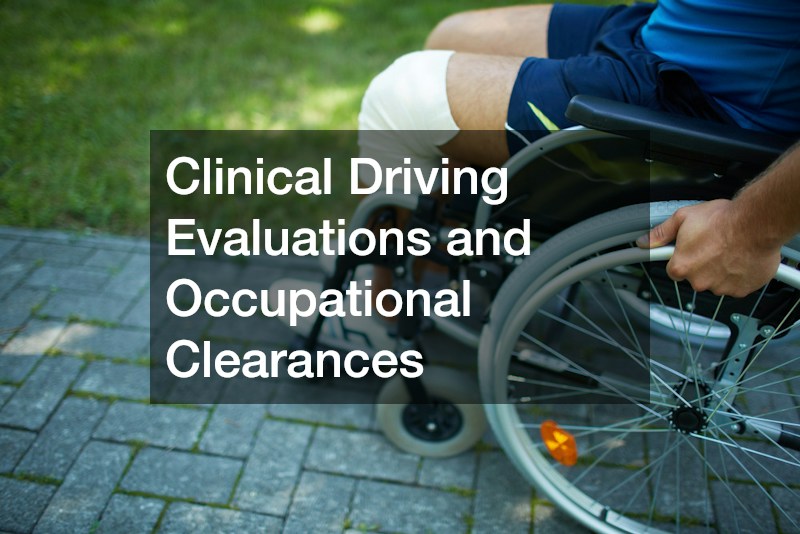
Before making substantial investments in adaptive hardware or attempting to operate standard controls, undergoing an extensive clinical assessment is essential. Certified Driver Rehabilitation Specialists evaluate visual acuity, physical reaction times, motor coordination, spatial cognition, and decision-making capabilities under stress. These evaluations pinpoint precise functional limitations, such as reduced grip strength or asymmetric leg power, ensuring any chosen modifications directly counter physical deficits.
During the clinical stage, the specialist will run both stationary simulator checks and controlled behind-the-wheel assessments. This dual-phase approach prevents premature equipment purchases that might not meet the driver long-term mobility trajectory. Furthermore, specialists provide formal medical clearances that prevent future disputes with state licensing boards or insurance underwriters, establishing an unambiguous paper trail that protects driving privileges.
Documenting Adaptive Equipment Prescriptions
Following the comprehensive clinical check, the driver rehabilitation specialist generates a formal prescription detailing required assistive driving equipment. This official document functions similarly to a medical script, specifying the exact types of steering knobs, hand controls, pedal extensions, or transfer seating units legally authorized for the vehicle.
Submitting this documentation to the Department of Motor Vehicles allows the driver to update license endorsements appropriately. Skipping this critical bureaucratic step can void personal auto coverage in the event of an accident, leaving drivers legally and financially vulnerable. Securing a written prescription also aids in securing state grants or vocational rehabilitation subsidies designed to alleviate conversion costs.
Interior Accommodations and Tactile Modifications
Selecting Ergonomic Upholstery for Pressure Relief
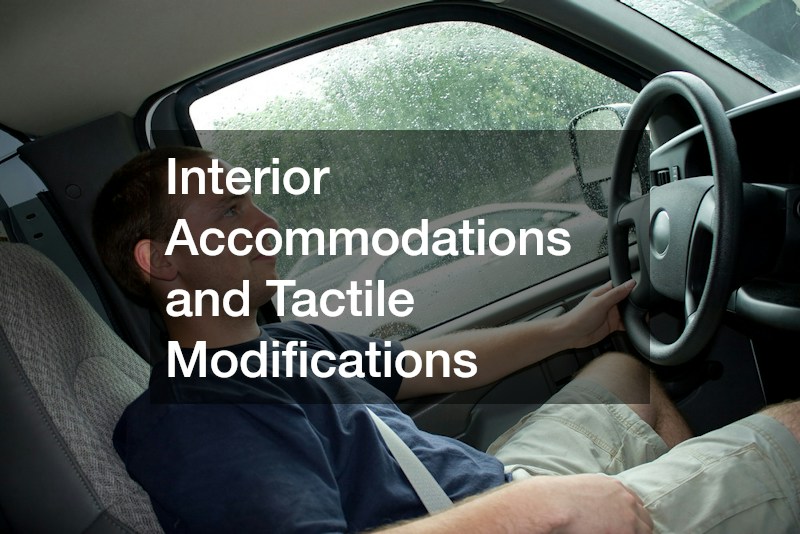
Sustaining severe nerve damage, spinal injuries, or joint trauma makes traditional seat ergonomics inadequate for long commutes. Drivers often experience dangerous pressure spots, compromised circulation, and chronic muscular fatigue from standard bucket seats. Tailoring seat contours with high-density memory foam or gel cushions distributes body weight across a broader surface area, protecting skin integrity and minimizing spasms during extended road travel.
Beyond interior padding, exterior upholstery materials directly influence ease of transfer for individuals relying on braces or slide boards. High-friction fabrics resist lateral movement, whereas slick materials permit smooth, low-effort transitions from wheelchairs into driver seats. Drivers exploring custom automotive interior shops often opt for professional car leather replacements to facilitate seamless entry and exit across seat bolsters while simultaneously preserving long-term interior durability against heavy transfer equipment.
Installing Hand Controls and Secondary Driving Aids
Individuals who lose lower-limb motor function must transition primary throttle and braking mechanisms to manual hand levers. Modern mechanical controls incorporate push-pull, push-twist, or right-angle mechanical linkages that integrate directly into the vehicle pedal box without disabling original floor pedals. This dual-setup allows non-disabled household members to operate the same family vehicle safely.
- Push-pull systems require pushing the control arm forward to engage the brakes and pulling backward to activate the accelerator, offering intuitive feedback.
- Push-twist mechanisms separate stopping and accelerating functions, using a motorbike-style twist grip for throttle modulation.
- Floor-mounted push-rock levers minimize upper body fatigue on multi-hour journeys by supporting the driver’s forearm during operation.
- Electronic hand interfaces translate finger pressure into servo-driven pedal actuation, ideal for drivers with diminished grip or arm strength.
To maintain directional control while operating hand-based throttles, drivers integrate steering wheel devices such as spinner knobs, tri-pins, or amputee rings. These attachments facilitate fluid, single-handed steering maneuvers during sharp turns or parking actions. Secondary electronic switches can also be mapped directly into the spinner assembly, placing turn indicators, windshield wipers, horn triggers, and headlight controls directly beneath the fingertips.
Major Structural Conversions and Specialized Transit Platforms
Evaluating Wheelchair Accessible Vehicle Architectures
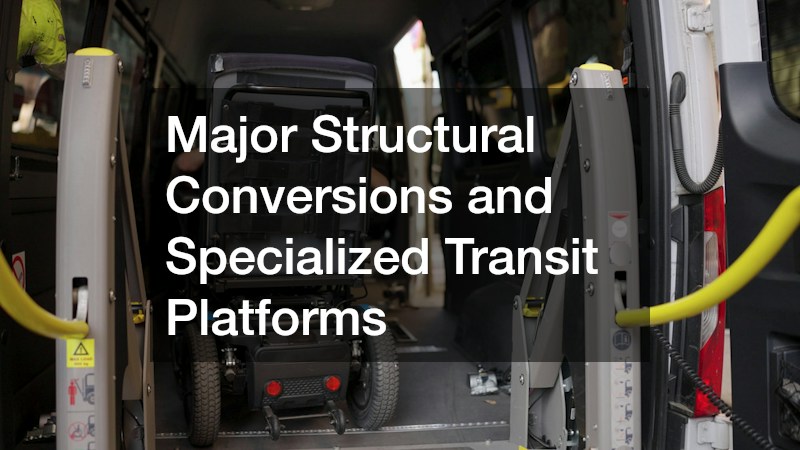
When personal transfer from a mobility device into a standard automotive seat becomes physically impossible or medically inadvisable, converted full-size vans or minivans become the primary solution. These platforms feature lowered floors, raised roofs, and heavy-duty structural reinforcements designed to accommodate power wheelchairs directly at the driving station or front passenger area.
Selecting between side-entry and rear-entry configurations depends on passenger roles and parking accessibility. Side-entry builds allow the mobility device user to pilot the vehicle or sit alongside the front passenger, though they demand wider designated parking spaces to extend ramps. Conversely, rear-entry conversions retain standard vehicle side profiles and facilitate curb loading in narrow driveways, but generally restrict wheelchair users to mid-row or aft seating positions. For many recovering individuals, investing in purpose-built adaptive vans ensures long-term accessibility, eliminating strenuous physical transfers and accommodating advanced electronic restraint systems safely.
Implementing Power Tie-Downs and Automated Ingress Systems
Securing heavy mobility equipment within a moving cabin requires engineered docking hardware tested against strict crash-safety benchmarks. Manual four-point strap systems offer robust stability but necessitate physical assistance from a caregiver to hook and tension the belts to floor-mounted tracks. Independent drivers require automated docking stations that secure the wheelchair chassis instantly upon contact.
Automated electronic docking brackets utilize a heavy steel pin affixed beneath the wheelchair frame, latching seamlessly into a reinforced floor base inside the vehicle. Visual dashboard indicators and audible confirmation tones alert the operator when the lock engages securely. High-grade systems incorporate auxiliary manual release levers, ensuring the occupant can detach and exit rapidly during vehicle electrical failures or emergency scenarios.
Preparing Residential Garages for Modified Vehicles
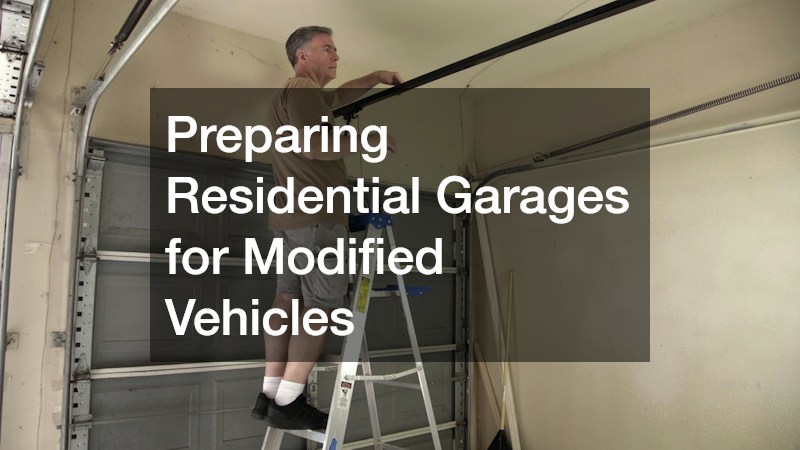
Configuring Dimensions and Clearances for Accessible Parking
Bringing an adapted vehicle home introduces structural challenges within standard residential garages. Modern accessible conversions require substantial overhead clearance to clear raised roofs or pop-up roof extensions, alongside sufficient lateral space to deploy electric fold-out or in-floor aluminum ramps without contacting exterior walls.
Standard eight-foot garage doors frequently obstruct tall van roofs, necessitating header framing alterations and higher track installations. Homeowners must also clear debris and organize tools to leave at least eight feet of open floor space adjacent to the vehicle passenger side. Pouring level concrete pads and eliminating interior curb transitions helps create a fully compliant ada garage that simplifies independent boarding during inclement weather conditions.
Upgrading Electrical Circuits and Task Lighting
Specialized vehicles incorporate auxiliary power demands that standard automotive batteries cannot sustain indefinitely. Power transfer seats, hydraulic lifts, and motorized wheelchair charging docks drain electrical reserves when operated with the motor turned off. Integrating dedicated battery-tender stations and commercial-grade power outlets ensures vehicle auxiliary cells remain fully charged overnight.
In addition to electrical upgrades, proper visual illumination mitigates fall risks for recovering drivers navigating transfer boards or operating wheelchair tie-down tracks. Installing wide-angle LED overhead fixtures eliminates dark corners around vehicle entry doors. Motion-activated pathway lights leading from vehicle stalls directly into the home entrance prevent hazardous missteps when arriving after dark.
Long-Term Maintenance and Structural Upkeep for Modified Vehicles
Protecting Cabin Integrity and Forward Visibility
Drivers operating with altered mobility rely heavily on optimal line-of-sight visibility, as physical neck stiffness or spinal fusion hardware often limits the ability to turn the head rapidly. Keeping the windshield pristine is not merely an aesthetic preference; it is a vital safety protocol. Small road debris hits can generate blinding refractions during night driving or compromise structural glass rigidity during high-speed travel.
Immediate attention to front glass imperfections prevents small fissures from branching across vital visual fields. Utilizing professional rock chip repair services seals glass fractures before temperature fluctuations cause stress cracks to migrate. When chips expand into unrepairable cracks, engaging local windshield repairs guarantees replacement automotive glass complies with original structural specifications while preserving the calibration of forward-facing advanced driver-assistance cameras.
Maintaining Complex Chassis and Powertrain Systems
Adding lowered floor pans, secondary subframes, and structural steel reinforcements shifts the center of gravity and increases the overall curb weight of converted vehicles. This supplemental load accelerates wear on suspension struts, wheel bearings, brake rotors, and steering knuckles. Adhering to aggressive preventative maintenance intervals preserves mechanical reliability and avoids costly roadside breakdowns.
- Replace suspension struts and shocks earlier than factory schedules to handle extra curb weight.
- Upgrade brake pads to severe-duty ceramic formulations to control higher kinetic loads effectively.
- Inspect hydraulic hoses, electric wiring harnesses, and subframe welds underneath the chassis during every oil change.
- Clean and lubricate exposed ramp drive cables and gear assemblies bi-monthly using non-gumming synthetic spray lubricants.
Owners of foreign luxury or high-performance modified daily commuters must ensure independent mechanics possess specific software tools and diagnostic expertise. Entrusting imported engineering to factory-trained technicians specializing in audi repair services ensures modified sensory electronics and intricate powertrain modules communicate smoothly without triggering recurring electronic fault codes.
Outdoor Leisure and Camping Alternatives After Injury
Adapting Campers and Motorhomes for Road Travel
Physical recovery does not mean abandoning outdoor adventuring or long-distance leisure travel. For many individuals recovering from life-changing trauma, transitioning from traditional tent camping to specialized recreational vehicles offers a controlled environment featuring familiar climate control, stable surfaces, and private hygiene access.
Modifying a motorhome requires engineering wider interior hallways, step-free wet baths, roll-under kitchen sinks, and specialized exterior lift gates capable of raising heavy motorized chairs. Structurally retrofitting an existing rig often necessitates visiting specialized technicians who understand heavy rv repair, ensuring structural frame cutouts do not undermine overall roof weight capacities or vehicle roll-over protection.
Sourcing Components and Refurbishing Cost-Effective Platforms
Constructing an accessible motorhome from a brand-new showroom model can easily exhaust personal financial reserves, leading many travelers to purchase gently used platforms and modify them incrementally. Sourcing accessible entryway doors, automated cassette lifts, and modular hardware requires working with established suppliers who stock dedicated rv parts engineered specifically to match diverse chassis dimensions.
Finding a solid, mechanically sound used camper provides an economical starting canvas for extensive accessibility modifications. Once the unit is stripped of obstructive interior cabinetry and retrofitted with wider sleeping berths, it functions as a comfortable base camp that enables families to travel together without encountering unpredictable hotel accessibility hurdles.
Financial Recovery, Legal Advocacy, and Resource Allocation
Accessing Grants, State Programs, and Mobility Rebates
The capital required to purchase, adapt, and maintain specialized mobility vehicles can present formidable financial obstacles for recovering families. Fortunately, major automotive manufacturers offer mobility assistance rebates that provide direct refunds on the installation of hand controls, transfer seats, and mobility lifts on newly purchased vehicles.
Beyond manufacturer support, state vocational rehabilitation agencies frequently fund complete vehicle conversions if reliable personal transportation directly enables the injured individual to return to gainful employment. Veterans injured during active military duty may qualify for comprehensive automobile grants through the Department of Veterans Affairs, which cover the complete cost of adaptive transit platforms and requisite driving controls.
Securing Legal Accountability to Cover Adaptive Transit Needs
When life-altering catastrophic trauma stems from the negligence of another party, such as a distracted truck operator or negligent commercial entity, pursuing personal injury litigation becomes necessary to safeguard lifetime mobility needs. Standard insurance settlements routinely undervalue the true lifetime cost of purchasing, converting, maintaining, and repeatedly replacing modified vehicles every few years.
Retaining an experienced injury lawyer allows the claimant to work alongside certified life care planners who calculate detailed long-term transportation costs over multiple decades. These legal professionals ensure compensation demands incorporate home garage renovations, adaptive vehicle replacements, specialized driving lessons, and lifetime mechanical maintenance schedules, securing the financial autonomy needed for comprehensive, lasting recovery.
The Psychology of Regaining Driving Independence
Conquering Roadway Anxiety and Spatial Apprehension
Returning to the driver seat after surviving a violent vehicular accident or severe physical trauma frequently induces acute psychological stress. Drivers often report heightened hypervigilance, elevated heart rates in heavy traffic, and apprehension regarding their ability to control the vehicle with non-standard interfaces. Acknowledging this psychological friction is an essential step in post-injury recovery.
Working with an occupational therapist who specializes in behind-the-wheel exposure therapy allows recovering drivers to build confidence incrementally. Initial sessions take place in deserted parking lots, focusing exclusively on muscle memory development for hand controls or pedal relocations. Graduating slowly to low-speed residential streets, arterial roads, and eventually high-speed expressways desensitizes the nervous system while cementing new neurological motor pathways.
Building Sustainable Local Support Networks
True transit independence involves knowing when to drive, how to travel safely, and who to call when mechanical complications arise on the road. Joining local or digital peer support groups connects newly injured drivers with experienced individuals who have navigated identical challenges. These communities provide unvarnished, real-world advice regarding which local conversion shops perform quality work, which accessibility products hold up over years of use, and how to troubleshoot unexpected equipment glitches away from home.
Developing strong working relationships with responsive local roadside assistance providers who possess flatbed tow trucks and specialized transport capabilities ensures peace of mind. Knowing that a mechanical failure, dead auxiliary battery, or punctured tire will be handled by professionals who understand how to transport adapted platforms safely enables drivers to hit the open road with complete confidence.
Charting the Path Forward
Recovering from a severe, debilitating injury demands immense resilience, adaptation, and sustained effort across every sphere of life. While the path toward establishing practical mobility is filled with complex clinical evaluations, intricate mechanical adaptations, and financial hurdles, the end outcome justifies the endeavor. Modern engineering, coupled with forward-thinking automotive customization, ensures that personal physical limitations do not dictate geographic horizons.
By approaching the transportation transition methodically, engaging certified clinical driver specialists, selecting robust hardware, and securing the legal and financial resources necessary to support this lifestyle evolution, injured drivers can reclaim their freedom of movement. The open road remains open to everyone. With the appropriate preparation, equipment, and personal perseverance, safe, comfortable, and self-directed automotive travel remains well within reach for the road ahead.