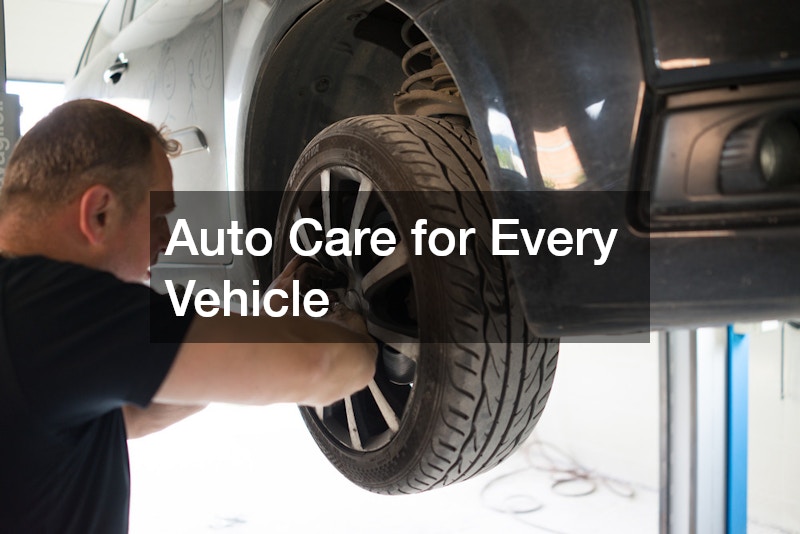

Your vehicle is one of the most significant investments you will make outside of a home. Whether you drive a daily commuter, maintain a classic car, or ride a motorcycle through every season, the quality of care your vehicle receives determines how long it lasts, how reliably it performs, and how much it ultimately costs you over time. The automotive service industry encompasses a remarkable range of specialists, technologies, and services, and knowing how to navigate that landscape puts you firmly in control of your vehicle’s health and your own financial well-being.
Building a Relationship With a Trusted Automotive Professional

The foundation of good vehicle ownership is finding the right people to trust with your car or truck. Consistency with a single shop pays off in ways that are easy to underestimate. A service provider who knows your vehicle’s history — its quirks, past repairs, and recurring issues — can diagnose new problems faster and catch patterns that a first-time technician would miss entirely.
When evaluating auto shops, look beyond convenience. Check for ASE (Automotive Service Excellence) certifications, read verified customer reviews, and ask about the specializations each shop offers. A general repair facility may handle your routine needs well, but fall short when your transmission requires expert attention or your motorcycle needs a trained hand. Understanding the difference between dealership service centers and independent specialists matters too. Dealerships carry manufacturer-specific diagnostic tools and proprietary software, but independent shops frequently offer more competitive pricing, faster scheduling, and a more personalized level of service. The best approach is knowing which type of provider suits each specific need.
Routine Maintenance That Keeps Every Vehicle Running Longer
No single habit protects a vehicle better than following the manufacturer’s recommended service schedule. Skipping or delaying scheduled maintenance creates a compounding effect — small, inexpensive problems quietly grow into large, costly failures. An oil change is perhaps the most well-known maintenance task, and for good reason. Fresh, clean oil lubricates engine components, reduces heat, and removes contaminants that would otherwise accelerate wear. Neglecting this simple service shortens engine life more reliably than almost any other oversight.
Beyond the oil change, many vehicle owners skip maintenance items that seem minor until they cause a breakdown: air filter replacement, brake fluid flushes, coolant exchanges, and spark plug replacements. These are not upsells invented by service writers — they are time-tested intervals that manufacturers establish through engineering data. Building a personalized vehicle maintenance calendar based on your mileage, the age of your vehicle, and your typical driving conditions (short city trips, highway miles, extreme temperatures) helps you stay ahead of the curve rather than constantly reacting to it.
Engine Health, Fluid Systems, and Under-the-Hood Essentials
The engine is the heart of your vehicle, and lubrication is the system that keeps it beating. Engine oil does far more than reduce friction — it carries heat away from critical components, suspends microscopic metal particles, and protects surfaces under enormous mechanical stress. When oil breaks down or runs low, engine wear accelerates rapidly. Poor lubrication also reduces fuel economy and, over time, causes irreversible damage to bearings, camshafts, and cylinder walls.
Fluid systems beyond the engine deserve equal attention. Coolant that has degraded past its service life allows internal corrosion. Brake fluid that has absorbed moisture raises its boiling point unpredictably, reducing stopping power under hard use. Power steering fluid, transmission fluid, and differential oil all have service intervals that are frequently overlooked. Warning signs that fluid systems need immediate attention include discolored fluid on the dipstick, sweet or burning smells from under the hood, and any dashboard warning light that references temperature or pressure. Regular inspections — even quick visual checks between formal service appointments — catch small issues before they compound into engine or drivetrain failures.
Transmission Care and the World of Drivetrain Components
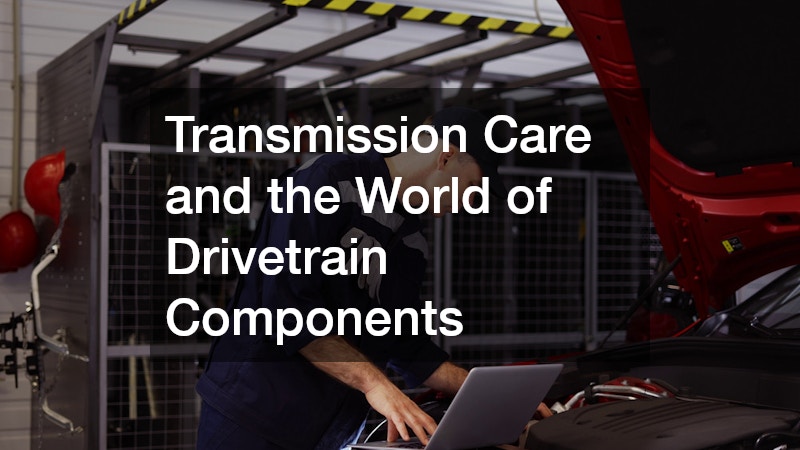
The transmission is one of the most mechanically complex and expensive systems in any vehicle. Automatic transmissions, in particular, contain hundreds of precision components that must operate in perfect coordination. When the transmission begins to slip, shift erratically, or hesitate, many vehicle owners assume the worst and brace for a complete replacement. In many cases, however, rebuilding or replacing specific internal components is a far more cost-effective solution.
Remanufactured valve bodies are a prime example of this approach. The valve body is the hydraulic control center of an automatic transmission, directing fluid pressure to engage the correct gear at the right time. A worn or damaged valve body causes exactly the kinds of symptoms — rough shifts, delayed engagement, erratic behavior — that often get misdiagnosed as total transmission failure. A professionally remanufactured valve body, rebuilt to factory specifications, can restore full transmission function at a fraction of the cost of a full replacement unit. When choosing between new, used, and professionally restored drivetrain parts, consider the source, the warranty offered, and the reputation of the rebuilder. Quality remanufactured components from reputable suppliers frequently outperform aged used parts pulled from salvage vehicles.
Electrical Systems, Starting Mechanisms, and Modern Vehicle Technology
Modern vehicles are as much computer systems as they are mechanical machines. Dozens of control modules, sensors, and actuators communicate constantly to manage everything from fuel injection timing to traction control response. When electrical gremlins appear — intermittent stalls, warning lights that come and go, accessories that behave unpredictably — diagnosing the root cause requires specialized scan tools and a technician trained in automotive electronics.
Starting system failures are among the most common electrical complaints. A vehicle that cranks slowly, clicks without starting, or fails to turn over at all points to a problem somewhere in the starting circuit — the battery, the starter motor, the solenoid, or the ignition system itself. Offset gear reduction starters are one solution worth understanding in this context. These starters use a gear reduction system to generate higher torque from a smaller, lighter motor, making them popular on high-compression engines and performance builds where standard starters struggle. They are also a common upgrade on older vehicles whose original starting systems have become marginal with age. Proactive battery testing, especially before winter, and keeping terminals clean and tight are the simplest ways to avoid starting failures at inconvenient moments.
Keeping Your Vehicle Compliant With Environmental Standards
In many states and municipalities, vehicle owners must periodically demonstrate that their vehicle meets established environmental standards. Passing an emissions test is not optional — failure means the vehicle cannot be legally registered for road use until the underlying issues are corrected. A vehicle’s age, accumulated mileage, and overall mechanical condition all affect its ability to meet these standards. Older vehicles may struggle with oxygen sensor performance, catalytic converter efficiency, or exhaust system integrity in ways that push emissions above allowable thresholds.
If your vehicle fails an emissions test, the next step is a systematic diagnostic to identify the specific fault codes triggering the failure. Common culprits include faulty oxygen sensors, failing catalytic converters, evaporative emission system leaks, and running condition issues like misfires or rich fuel mixture. Many states offer repair assistance programs for low-income vehicle owners who face high remediation costs. After repairs are completed, it is worth confirming that the vehicle’s onboard diagnostic system has completed all of its self-test monitors before returning for reinspection — an incomplete monitor cycle will cause a retest failure regardless of whether the underlying repair was successful.
Windshield, Glass, and Visibility Maintenance

Vehicle glass does far more than provide a view of the road. The windshield is a structural component that supports the roof in a rollover, provides a mounting surface for the passenger airbag deployment, and contributes to the overall rigidity of the passenger compartment. Damage to vehicle glass is therefore a safety issue with implications that go well beyond appearance.
Visiting a qualified auto glass shop at the first sign of a chip or crack is always the right move. Whether a chip can be repaired with resin injection or requires full replacement depends on its size, location, and depth. Chips in the driver’s direct line of sight, cracks longer than a dollar bill, and damage at the edge of the glass where structural integrity is most critical typically require full replacement rather than repair. Weather and road debris are the primary culprits in glass damage — extreme temperature swings cause existing chips to expand into cracks, and gravel thrown from trucks at highway speed creates new damage without warning. Improper repairs that trap moisture or leave air pockets accelerate deterioration and can cause seemingly minor chips to spider outward in cold weather.
Wheels, Tires, and the Foundation of a Safe Ride
Wheels and tires are the only points of contact between your vehicle and the road surface, which makes their condition directly relevant to every aspect of handling, braking, and safety. Bent, cracked, or corroded wheels cause vibration, accelerate tire wear, and can lead to sudden deflation at highway speed. Local wheel repair services can often straighten bent alloy wheels, refinish damaged surfaces, and restore structural integrity for a fraction of the cost of wheel replacement — a significant advantage given the price of original equipment wheels on modern vehicles.
Beyond the wheels themselves, tire rotation, balancing, and alignment form the trio of services that every vehicle owner needs on a regular basis. Rotation moves tires between positions to equalize wear. Balancing corrects weight distribution around the wheel and tire assembly, eliminating vibration. Alignment ensures that all four wheels point in the correct direction relative to each other and to the vehicle’s centerline, which affects both tire wear and straight-line stability. Neglecting any one of these services causes the others to work less effectively and accelerates the overall cost of tire ownership.
Motorcycle Maintenance and the Unique Needs of Two-Wheel Vehicles
Motorcycles require a fundamentally different approach to servicing than passenger cars, and the stakes are considerably higher. On a motorcycle, a mechanical failure does not just result in a roadside inconvenience — it can cause a serious crash. Chain tension, brake pad thickness, tire condition, and suspension function are inspection points that demand attention before every ride.
Finding the right service provider for a motorcycle often means looking beyond general auto repair facilities. Harley mechanics, for example, bring not just technical knowledge but an understanding of the particular engineering philosophy, parts ecosystem, and rider culture that surrounds American V-twin motorcycles. The same is true of technicians who specialize in sport bikes, adventure touring machines, or vintage motorcycles. Specialized motorcycle repair shops invest in the brand-specific tools, software, and training that general shops simply do not maintain. Whether your concern is a carburetor tune, a brake system overhaul, or an electrical diagnosis, the right specialist will resolve the issue more accurately and more efficiently than a generalist working outside their primary area of expertise.
Building a Long-Term Auto Care Strategy That Protects Your Investment

The most cost-effective approach to vehicle ownership is a proactive, documented, and consistent one. Maintaining a vehicle service file — whether a physical folder or a digital record — that logs every repair, inspection, fluid change, and upgrade creates a reference that helps future technicians understand your vehicle’s history and helps you track spending over time. A complete service history also adds demonstrable value when the time comes to sell or trade the vehicle.
Budgeting for vehicle maintenance requires accounting for both the predictable and the unexpected. Routine services — oil changes, tire rotations, filter replacements, brake inspections — can be anticipated and scheduled. Major repairs are less predictable, but setting aside a dedicated vehicle maintenance fund each month prevents a surprise repair from becoming a financial crisis. A general guideline is to reserve one to two percent of your vehicle’s current value annually for maintenance and unexpected repairs, adjusting upward for older or higher-mileage vehicles.
Knowing when to stop repairing and start replacing is one of the most important financial decisions in vehicle ownership. When the annual cost of keeping a vehicle on the road — repairs, maintenance, and the reliability risk of continued failures — approaches or exceeds the cost of a replacement vehicle payment, the calculation tips toward replacement. That tipping point varies by vehicle, owner circumstances, and emotional attachment, but running the numbers honestly and regularly ensures the decision is made on your terms rather than forced by a catastrophic failure.
Great auto care is a continuous practice built on consistent habits, trusted relationships, and informed choices. Whether you are scheduling a routine oil change, sourcing remanufactured valve bodies for a transmission rebuild, planning a visit to the auto glass shop after a highway chip, or working with Harley mechanics to prepare your motorcycle for the riding season, the principles remain the same: stay proactive, choose qualified professionals, and treat your vehicle as the long-term investment it is. Every dollar spent on prevention saves multiples in repair. Every relationship built with a skilled technician pays dividends in accurate diagnosis and honest service. Take care of your vehicle with the same intention you applied when you chose it, and it will repay you with years of reliable performance.