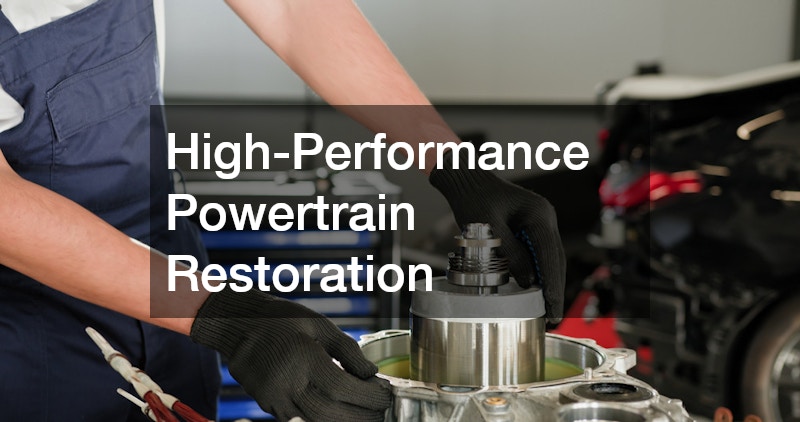

The restoration of high-performance powertrains represents the pinnacle of automotive engineering, combining historical preservation with cutting-edge manufacturing technologies. Whether resurrecting a vintage racing engine or upgrading a modern turbocharged power unit, the process requires an absolute commitment to precision, material science, and mechanical integrity. Every component within a high-performance drivetrain is subjected to extreme thermal, chemical, and mechanical stresses that push metallurgy to its absolute limits. Consequently, a successful rebuild cannot rely on mere superficial cleaning and component replacement; it demands a systematic overhaul that analyzes, rectifies, and optimizes every single square millimeter of the assembly. Through meticulous planning and execution, engineers can unlock hidden efficiency, restore lost horsepower, and guarantee structural reliability under racing conditions.
Initial Evaluation and Diagnostic Inspection
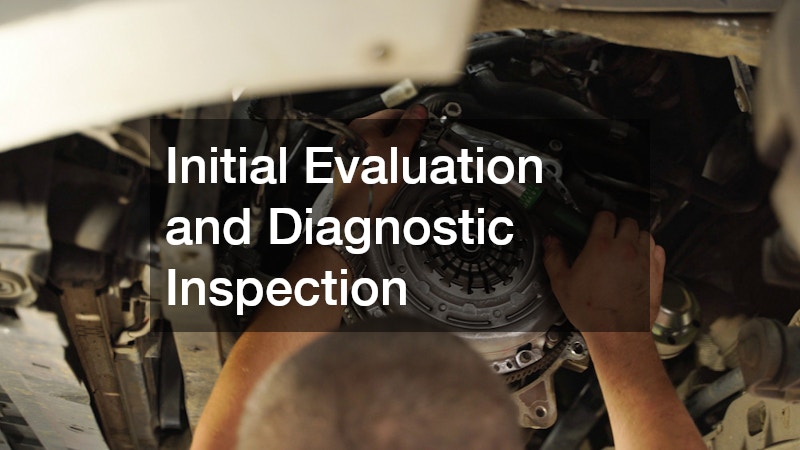
Before a single bolt is loosened, a thorough diagnostic assessment must be conducted to establish a comprehensive baseline of the powertrain’s current operational state. Technicians utilize advanced telemetry, compression testing, and cylinder leak-down analysis to identify internal structural deficiencies without immediately dismantling the block. Oil analysis plays a critical role in this preliminary phase, as spectrographic evaluation can reveal the exact PPM concentration of bearing materials, iron filings, and coolant contaminants within the lubrication system. These diagnostic metrics provide essential clues regarding the wear patterns of internal rotating assemblies and guide the subsequent teardown strategy. By documenting these parameters, engineering teams can pinpoint specific architectural weaknesses that must be addressed during the engineering phase.
Following the non-invasive diagnostics, the physical teardown begins with surgical precision, documenting every component’s exact location, orientation, and torque specification. Components are organized into specialized cataloging systems, and high-resolution photography is utilized to capture wear patterns on thrust washers, journal bearings, and valve guides. Visual inspections often reveal subtle signs of micro-cracking, detonation damage, or oil starvation that dictate whether a component can be saved or must be completely replaced. Specialized metrology tools, including dial bore gauges, micrometers, and profilometers, are deployed to measure roundness, taper, and surface roughness.
Advanced Surface Cleaning and Remediation
Once completely disassembled, the structural elements must be freed from decades of carbon deposits, oxidized oil, scale, and legacy coatings. Traditional abrasive methods often pose a severe risk to delicate aluminum castings and intricate oil galleys by embedding destructive media into the substrate. To mitigate these risks, modern restoration facilities rely on advanced media options offered by specialized sandblasting companies to safely strip material down to the raw metal. These specialized firms utilize controlled pressure systems and selected media densities to ensure that structural integrity is preserved while eliminating corrosive elements. Selecting the correct abrasive medium ensures that the underlying casting remains structurally uncompromised throughout the intense cleaning process.
For highly sensitive engine blocks and fragile magnesium gearbox casings, standard dry blasting can be overly aggressive and generate destructive heat friction. In these specialized scenarios, utilizing a modern dustless blasting system provides an exceptional balance of aggressive cleaning action and thermal regulation. By introducing water into the abrasive stream, this technique suppresses friction dust, cools the metal surface, and prevents the warping associated with intense localized heat buildup. The hydraulic action gently lifts contaminant layers away from complex geometric details, leaving behind a perfectly uniform, satin finish. This pristine surface is absolutely paramount for subsequent non-destructive testing methodologies.
Chemical Processing and Coating Erasure
Substructural elements, body attachments, and external powertrain brackets frequently require complete chemical decontamination to eliminate stubborn epoxy primers, road grime, and baked-on enamels. Relying on physical scraping or aggressive grinding can induce severe gouging and compromise the critical dimensional tolerances required for high-performance fitment. Implementing a professional paint stripping chemical bath allows for the complete, non-mechanical dissolution of old coatings from complex exterior configurations. This deep-immersion chemical process penetrates the most microscopic crevices, completely dissolving rust inhibitors and legacy sealants without altering the underlying metal thickness. Consequently, the component emerges from the chemical rinse with its original factory dimensions perfectly preserved, ready for structural evaluation.
Following chemical clearance, parts are immediately treated with specialized rust inhibitors to prevent instantaneous flash oxidation from atmospheric humidity. This critical interim step ensures that raw cast iron and carbon steel components remain pristine while waiting for subsequent machining operations. Engineers inspect the chemically cleared parts under ultraviolet light to identify underlying stress fractures or porosity issues that were previously hidden beneath layers of paint. Any component failing this rigorous visual and chemical audit is immediately segregated from the build pipeline to prevent catastrophic field failures.
Precision Component Subtractive Manufacturing
With the structural foundations cleaned and qualified, the restoration transitions into the realm of high-precision subtractive machining to restore perfect geometry. Internal combustion engines demand absolute perpendicularity between the cylinder bores and the crankshaft centerline to minimize friction and maximize ring seal efficiency. Specialized CNC lathes are utilized to turn custom oversized pistons, reshape harmonic balancers, and machine high-strength alloy steel input shafts to exacting tolerances. These computer-controlled systems execute complex rotational cuts with sub-micron repeatability, ensuring that balancing parameters are perfectly maintained across the entire operational RPM spectrum. The precision delivered by automated turning centers is vital for eliminating harmonic vibrations that can destroy bearings at high velocities.
In addition to heavy turning operations, intricate fuel system components, custom fasteners, and valvetrain retainers demand an even higher tier of micro-machining precision. Utilizing advanced Swiss machining techniques allows restoration engineers to produce ultra-precise, small-diameter components with extreme length-to-diameter ratios without structural deflection. This specialized process is invaluable when replicating obsolete fuel injection nozzles, custom carburetor metering rods, or high-tensile titanium valvetrain components. By supporting the workpiece immediately adjacent to the cutting tool, Swiss-style turning centers eliminate part flexing, yielding unparalleled surface finishes and dimensional accuracy. This micro-engineering capability allows restoration shops to re-engineer failure-prone legacy components using modern, superior materials.
Metallurgical Procurement and Material Science
The selection of raw materials for replacing unrepairable structural components or creating bespoke upgrades is a critical decision point in any high-performance build. Utilizing substandard metals can lead to premature fatigue, catastrophic shear failures, or destructive thermal expansion issues under race conditions. Partnering with a certified, aerospace-grade metal supplier ensures that every bar of billet aluminum, chromoly steel, or titanium alloy comes with verified material test reports. These metallurgical certificates guarantee the exact chemical composition, tensile strength, and grain structure orientation required to withstand immense combustion pressures. Securing high-quality raw stock allows machinists to push design boundaries safely, knowing the underlying material will perform flawlessly.
Material science also dictates how different metals interact within the powertrain assembly, particularly concerning galvanic corrosion and differential thermal expansion rates. For example, mating an aluminum cylinder head to a cast-iron engine block requires precise calculations regarding gasket compliance and fastener pre-load values. The engineering team must evaluate the yield strength and thermal elasticity of every material procured to prevent head gasket failures or bore distortion during thermal cycling.
Advanced Heat Treatment and Stress Relief
Machining and welding operations inevitably introduce significant residual stresses into metal components, altering their crystalline structure and compromising long-term durability. To counteract this phenomenon, components such as crankshafts, camshafts, and custom gear sets must undergo precise thermal processing cycles. Engaging a certified local heat treating service allows engineers to precisely control the hardening, tempering, and case depth profiles of critical powertrain elements. Through carefully managed heating and quenching sequences, the internal grain structure of the metal is optimized to maximize both surface hardness and core toughness. This specific metallurgical balance is vital for preventing gear tooth shearing and cam lobe spalling under high-load scenarios.
Furthermore, specialized thermal processes such as gas nitriding or cryogenic treating are employed to drastically enhance the fatigue limit of high-RPM rotating assemblies. Nitriding introduces nitrogen atoms into the surface layer of the metal, creating an incredibly hard, wear-resistant case without the distortion risks associated with liquid quenching. The localized thermal experts ensure that these delicate processes are executed according to exact ramp rates and soak times tailored to the specific alloy composition.
Structural Reclamation and Specialized Welding
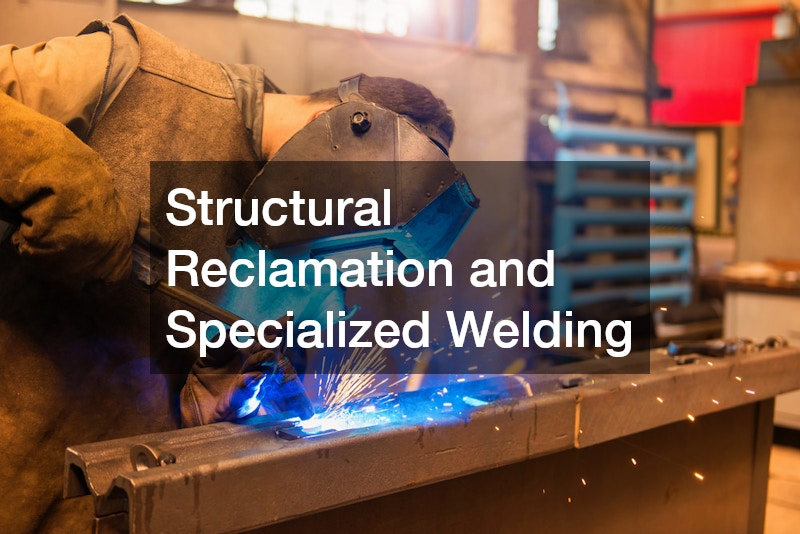
Many vintage or rare high-performance powertrain castings suffer from historical damage, such as stripped thread bosses, severe corrosion pockets, or structural impact fractures. Replacing these rare, numbers-matching components is often impossible or economically unfeasible, necessitating advanced structural welding repairs. Utilizing specialized local welding services provides access to master fabricators who possess the specific expertise required to weld complex cast iron, cast aluminum, and magnesium alloys. These highly skilled technicians employ Gas Tungsten Arc Welding (GTAW) and specific pre-heating methodologies to prevent thermal shock and subsequent cracking during the solidification process. Their precise manual dexterity ensures that structural integrity is completely restored to damaged areas without introducing destructive distortion.
Repairing a cracked cylinder head or a blown transmission casing requires deep knowledge of metallurgy, as old castings are often impregnated with oil and combustion byproducts. The weld zone must undergo extensive chemical cleaning and mechanical gouging to expose completely virgin metal before an arc is struck. Fabricators often construct specialized fixtures to hold the component rigid during the welding and cooling cycles, maintaining critical alignment of bearing bores and sealing surfaces. Once the weld is completed, the component must be slowly cooled in an insulated environment or a controlled oven to relieve induced thermal stresses.
Protective Surface Finishing and Engineering Coatings
Beyond internal mechanical perfection, the exterior of a high-performance powertrain must be shielded from environmental degradation, chemical exposure, and intense thermal radiation. Traditional aerosol paints rapidly break down when exposed to synthetic lubricants, brake fluid, and high engine operating temperatures, leading to unsightly corrosion and reduced thermal dissipation. Utilizing a professional powder coating service delivers an exceptionally durable, electrostatically applied polymer finish that is baked directly onto external components. This advanced finishing technique results in a thick, uniform skin that resists chipping, chemical attack, and thermal degradation up to extreme thresholds. It provides an impermeable barrier that protects oil pans, timing covers, and intake manifolds from the harsh automotive environment.
For components exposed to even more extreme thermal environments, such as turbocharger exhaust housings and exhaust manifolds, specialized ceramic formulations are utilized. These advanced engineered coatings act as highly efficient thermal barriers, keeping heat inside the exhaust path and reducing overall under-hood temperatures. Lower ambient temperatures directly translate to cooler intake air charges, which significantly enhances volumetric efficiency and horsepower output. Additionally, these specialized coatings prevent external oxidation and scaling of expensive headers, ensuring the long-term aesthetic and functional survival of the exhaust geometry.
Resource Management and Sustainable Reclamation
A comprehensive powertrain restoration generates a substantial volume of byproduct materials, worn components, and unrepairable metallic debris that must be managed responsibly. High-performance engineering facilities must maintain strict protocols regarding waste stream management to comply with environmental regulations and optimize resource utilization. Implementing an aggressive scrap metal recycling program ensures that valuable alloys, including copper-lead bearings, aluminum shavings, titanium offcuts, and broken steel components, are properly segregated and processed. By recycling these expensive materials, shops can offset operational overhead while reducing the environmental footprint associated with manufacturing entirely new raw components from scratch.
Furthermore, the segregation of exotic metals ensures that rare elements are returned to industrial supply chains rather than contaminating general waste facilities. Aluminum chips from CNC milling operations are collected in dedicated bins, avoiding cross-contamination with ferrous metals or cutting fluids. These clean scrap streams command a premium value and are easily remelted into high-quality industrial alloys for future engineering applications. Sustainable resource management reflects the modern ethos of high-performance engineering, where efficiency is maximized not just inside the combustion chamber, but across the entire lifecycle of the restoration facility.
Final Assembly and Dynamic Certification
The final assembly of a high-performance powertrain is executed within a climate-controlled, dust-free clean room environment to eliminate any risk of particulate contamination. Every bolt, stud, and fastener is lubricated with specialized assembly compounds to guarantee accurate torque readings and prevent initial startup galling. Builders carefully measure and log the final bearing clearances, valve-to-piston clearances, and crankshaft end-play to create a permanent historical archive of the build. Fasteners are tightened using digital torque wrenches that log the exact torque-plus-angle values, ensuring absolute uniformity across critical clamping faces like the cylinder head and main bearing caps.
Once fully assembled and sealed, the powertrain is mounted onto an advanced dynamometer cell for rigorous testing and break-in calibration. This controlled environment allows engineers to monitor oil pressure, coolant temperature, blow-by volume, and air-fuel ratios in real-time across varying load ranges. The break-in schedule is carefully designed to seat the piston rings against the fresh cylinder cross-hatching without overheating the newly installed journal bearings. After successful completion of the break-in cycle, full-power dyno sweeps are conducted to verify horsepower and torque curves against engineering projections.
High-performance powertrain restoration is a multi-disciplinary engineering endeavor that bridges the gap between historical craftsmanship and contemporary manufacturing technology. By treating every single phase of the rebuilding process—from microscopic diagnostic evaluation to advanced metallurgical selection—as a critical engineering milestone, builders can achieve levels of reliability and power that far exceed original factory specifications. The integration of advanced subtractive machining, specialized welding reclamation, and state-of-the-art chemical surface preparation guarantees that legacy components are completely optimized for modern operational demands. Ultimately, a masterfully executed powertrain restoration preserves mechanical heritage while providing an exhilarating, high-performance driving experience for generations to come.