

That flashing oil change reminder on your dashboard is easy to ignore when life gets busy, but the consequences of putting it off go far beyond a minor inconvenience. Old, breaking-down oil loses its ability to protect your engine’s internal components, and the damage it causes often happens silently until a major repair bill shows up. Understanding exactly what is at stake financially and mechanically can help you make smarter decisions about your vehicle’s maintenance schedule. This article breaks down the real, often hidden costs of skipping oil changes so you can protect your investment.
How Engine Oil Breaks Down Over Time
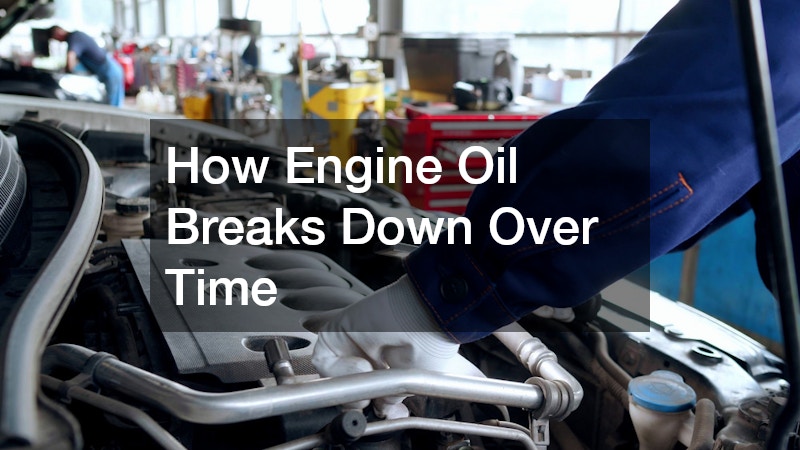
Motor oil is not a static substance that lasts forever once it is poured into your engine. From the moment your engine starts running, heat, combustion byproducts, and moisture begin attacking its chemical structure. Engine temperatures routinely climb above 200°F, and that sustained heat accelerates oxidation, a process that thickens oil and breaks down the additive package designed to protect your engine.
As oil oxidizes, it loses viscosity and lubricating power, meaning it can no longer maintain the thin, consistent film needed to keep metal components from grinding against each other. At the same time, combustion creates soot and acidic byproducts that mix into the oil, while condensation introduces moisture, especially during short trips when the engine never fully warms up. Together, these contaminants accelerate the formation of sludge, a thick, tar-like residue that clings to engine surfaces.
As oil ages, it becomes thicker and sludgier, making it harder to circulate through tight engine passages like valve lifters, timing chains, and oil galleys. This restricted flow starves critical components of lubrication right when they need it most. Over time, sludge buildup can clog filters and passages entirely, leading to increased friction, higher operating temperatures, and accelerated wear on parts that are expensive to replace.
Fresh oil contains additives that keep it slippery and stable, but heat, moisture, and combustion byproducts slowly break those additives down. Over time the oil oxidizes, thickens into sludge, and loses its ability to form a protective film between moving parts. This process speeds up significantly if you consistently skip or delay oil changes beyond the recommended 5,000 to 7,500 mile window.
Once oil loses its protective qualities, metal components start grinding against each other with less cushioning. This friction generates excess heat and accelerates wear on parts that are expensive to replace, like pistons, camshafts, and bearings. Even small amounts of metal-on-metal contact can shave years off an engine’s usable life.
A car mechanic will often tell you that most engine failures they see trace back to years of delayed or skipped oil changes rather than a single catastrophic event. Sludge buildup can clog oil passages, starving critical components of lubrication when they need it most. By the time symptoms like knocking sounds or dashboard warnings appear, the damage is often already done, and repairs can run into the thousands of dollars.
What Happens When Sludge Builds Up Inside the Engine
When oil is left in an engine too long, it oxidizes and forms a thick, tar-like sludge that clings to internal surfaces. This sludge can clog narrow oil passages, restricting flow to critical components like the camshaft and crankshaft bearings. Once these passages are blocked, parts of the engine may run with little to no lubrication at all.
- Reduced oil flow to vital moving parts
- Increased engine operating temperature
- Premature wear on bearings and seals
- Higher risk of complete oil starvation
- Potential for irreversible internal damage
The Financial Difference Between Maintenance and Major Repairs

Regular oil changes are one of the cheapest forms of preventive maintenance available for any vehicle, typically costing far less than a single tank of gas. Compare that to the cost of a new engine, and the math becomes obvious very quickly. Engine installations can run into the thousands of dollars depending on the make and model, often exceeding the value of an older vehicle entirely.
Many drivers do not realize how quickly small savings add up into a much larger bill down the road. Skipping a few oil changes might save fifty or sixty dollars in the short term, but it can shorten engine life by tens of thousands of miles. When you weigh routine maintenance against the possibility of replacing a major component, the decision becomes far less complicated.
How Neglected Oil Changes Affect Other Vehicle Systems
Your engine does not operate in isolation, and problems there can ripple out to affect other systems in your car. Overheating caused by poor lubrication can stress cooling system components, gaskets, and even electrical sensors that monitor engine performance. This is one reason why local auto repairs for seemingly unrelated issues sometimes trace back to a long-neglected oil change schedule.
Mechanics frequently find that customers who come in for one issue actually have several smaller problems stacking up from years of deferred maintenance. Addressing oil changes consistently helps keep these secondary systems working as intended. It is a small habit that protects a much larger and more complex machine.
Why Skipping Oil Changes Can Impact Braking Performance
It might seem strange that engine oil has any connection to your brakes, but a poorly maintained vehicle rarely has just one issue. Drivers who ignore oil change intervals often ignore other maintenance schedules as well, including brake pad inspections and fluid checks. This pattern of neglect can lead to worn rotors, squealing pads, or reduced stopping power over time.
Brake repairs tend to become more expensive the longer they are postponed, much like engine maintenance. A vehicle that receives consistent oil changes is often one that also gets routine brake inspections, tire rotations, and fluid top-offs. Building a habit of regular maintenance across the board protects both your safety and your wallet.
The Connection Between Vehicle Maintenance and Resale Value

Buyers and dealerships alike look closely at maintenance records when evaluating a used vehicle, and consistent oil changes are one of the first things they check. A well-documented service history signals that a car was cared for and is less likely to have hidden mechanical issues. Vehicles with spotty maintenance records often sell for noticeably less, even if they run fine at the time of sale.
Beyond the engine itself, appearance and overall condition also play a role in resale value. Cosmetic upgrades like auto tinting, protective coatings or spray in bed liners can help a vehicle look newer, but they mean little if the engine has obvious signs of neglect. Buyers who inspect a car closely will often ask about oil change history before considering paint condition or interior details.
How Engine Damage Claims Are Handled by Insurance Providers
Many drivers assume their insurance policy will cover engine damage regardless of the cause, but this is rarely the case. Auto insurance typically excludes damage resulting from lack of maintenance, treating it as a preventable issue rather than a covered accident. This means a seized engine from old, unchanged oil could become an out-of-pocket expense entirely.
Insurance adjusters are trained to spot the difference between sudden mechanical failure and gradual neglect. If sludge buildup or extreme wear is found during an inspection, a claim can be denied outright. Keeping receipts and records of regular oil changes can serve as useful documentation if you ever need to prove your vehicle was properly maintained.
Comparing DIY Oil Changes with Professional Service Visits
Some drivers choose to change their own oil at home to save money, and this can work well for those comfortable with basic vehicle maintenance. Doing it yourself requires the correct oil type, a proper filter, and safe disposal of used fluid according to local regulations. Mistakes like overfilling, stripping a drain plug, or using the wrong oil grade can create new problems rather than solving them.
Visiting a shop for local auto repairs and routine service often comes with added benefits beyond the oil change itself. Technicians typically perform a quick multi-point inspection, checking belts, fluid levels, and tire pressure while the car is already up on the lift. This extra set of eyes can catch small issues before they turn into expensive repairs.
- Proper disposal of used oil and filters
- Access to manufacturer-recommended oil grades
- Quick inspection of belts, hoses, and fluids
- Early detection of leaks or worn components
- Convenience for drivers without a home garage
Recognizing Warning Signs That Oil-Related Damage Has Already Started

Catching a problem early can mean the difference between a simple fix and a trip to an auto body shop or engine specialist for major repairs. Certain warning signs indicate that oil neglect may already be affecting your engine’s performance and should not be ignored.
A few symptoms tend to show up first. A knocking or ticking sound from the engine often signals that oil has broken down and is no longer protecting moving parts properly. Dark, gritty oil on the dipstick, a burning smell while driving, or an oil pressure warning light flickering on and off are also strong indicators that something is wrong beneath the hood.
Other signs are easier to overlook but just as telling. Increased exhaust smoke, a noticeable drop in fuel efficiency, or the engine running hotter than usual can all point to oil-related strain building up over time. Even a slight hesitation during acceleration can mean lubrication issues are starting to interfere with performance.
Paying attention to these symptoms can help you act before the damage becomes irreversible. The sooner you address them, the more likely you are to avoid costly repairs down the road, whether that means a quick fluid change or a more involved visit to an auto body shop for engine diagnostics.
- Dashboard oil pressure warning or check engine light illuminating, especially if it flickers on during turns or idling
- Louder than normal engine noise, including knocking, ticking, or a rattling sound on startup
- Visible dark, gritty, or sludgy oil on the dipstick instead of the amber, translucent color of fresh oil
- Oil level dropping noticeably between changes, signaling possible burning or leaks
- Burning oil smell noticeable from inside the cabin, particularly after highway driving
- Decreased fuel efficiency or sluggish acceleration that develops gradually over weeks
- Exhaust emitting blue-tinted or gray smoke, a sign oil may be leaking into the combustion chamber
- Engine running hotter than usual or the temperature gauge creeping toward the red zone
Building a Maintenance Routine That Protects Your Investment
Establishing a consistent maintenance schedule does not have to be complicated once you understand your vehicle’s specific needs. Most manufacturers provide recommended intervals based on mileage or time, typically every 5,000 to 7,500 miles for conventional oil and up to 10,000 miles for synthetic blends, and following these guidelines is the simplest way to avoid costly surprises. Your owner’s manual will specify which type applies to your engine, so it’s worth checking rather than relying on generic assumptions.
Setting reminders through a phone app or mileage tracker can help you stay on track even during busy months. Many modern vehicles also have built-in oil life monitors that calculate wear based on actual driving conditions rather than a fixed number, giving you a more accurate picture than mileage alone. Pairing these digital tools with a simple habit, like checking your oil level whenever you fill up on gas, adds an extra layer of protection between scheduled services.
A trustworthy shop that handles everything from oil changes to windshield replacement company referrals or seasonal tire rotations for daily drivers can become a valuable long-term partner in vehicle care. Rather than bouncing between different mechanics for every issue, having one dependable location for routine maintenance means your car’s history lives in one place, not scattered across receipts and memory.
Having one reliable place to bring your car builds a maintenance history and makes it easier to catch developing issues early. Most quality shops keep digital records of past services, so a technician can spot patterns, like recurring battery issues, uneven tire wear, or a coolant leak that keeps returning, before they become expensive repairs. This kind of continuity also means you’re not re-explaining your car’s quirks every time you walk in.
A solid routine typically includes oil changes every 5,000 to 7,500 miles for most modern vehicles, tire rotations every 6,000 to 8,000 miles, brake inspections at least once a year, and a check of fluids, belts, and hoses during seasonal transitions. Sticking to a schedule like this, rather than waiting for warning lights, keeps small maintenance items from snowballing into major failures.
Skipping oil changes might seem like a harmless way to save a little time or money, but the long-term costs almost always outweigh the short-term convenience. From engine sludge and reduced resale value to denied insurance claims and expensive repairs, the risks touch nearly every part of vehicle ownership. Taking a few minutes to schedule your next oil change is a small step that protects a much larger investment. Make it a priority this month, and your engine will reward you with many more reliable miles down the road.